In an unpredictable world, the need for safety and security has never been more pressing. Natural disasters, geopolitical tensions, and other unforeseen events can strike at any moment, leaving individuals and families vulnerable. This is where NATO-certified bunkers come into play, offering a robust solution for those seeking peace of mind. These bunkers are designed to withstand a variety of threats, ensuring that you and your loved ones remain safe in times of crisis.
Understanding NATO-Certified Bunkers
NATO-certified bunkers are structures built to meet stringent safety standards set by the North Atlantic Treaty Organization. These bunkers are not just ordinary shelters; they are fortified installations designed to protect against a range of threats, including:
- Nuclear fallout
- Biological and chemical attacks
- Severe weather events
- Terrorist attacks
The certification process involves rigorous testing and evaluation to ensure that the bunkers can withstand extreme conditions. This level of assurance is crucial for individuals and organizations looking to invest in safety.
Key Features of NATO-Certified Bunkers
When considering a NATO-certified bunker, it’s essential to understand the features that set these structures apart from conventional shelters. Here are some of the key attributes:
- Reinforced Construction: These bunkers are built with high-strength materials that can endure significant impacts and pressures.
- Air Filtration Systems: Advanced air filtration systems ensure that the air inside remains clean and safe, even in the event of a biological or chemical attack.
- Self-Sustaining Power Supply: Many bunkers come equipped with backup power sources, such as generators or solar panels, to ensure continuous operation during emergencies.
- Water and Food Storage: Adequate provisions for water and food storage are essential for long-term survival, and NATO-certified bunkers are designed with this in mind.
The Importance of Location
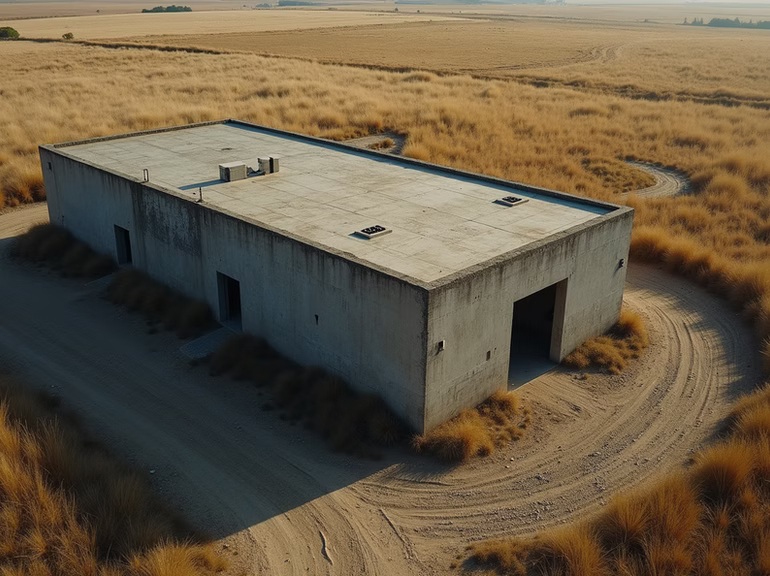
The effectiveness of a bunker is not solely determined by its construction; the location plays a critical role as well. Here are some factors to consider when choosing a site for a NATO-certified bunker:
- Geographical Stability: Avoid areas prone to earthquakes, floods, or other natural disasters.
- Accessibility: Ensure that the bunker is easily accessible for you and your family, even in adverse conditions.
- Proximity to Threats: Consider the potential threats in your area, such as military bases or industrial sites that may be targets.
Case Study: A Family’s Journey to Safety
To illustrate the importance of NATO-certified bunkers, let’s look at a hypothetical family, the Johnsons. Living in a suburban area near a military base, they became increasingly concerned about the potential for conflict. After researching their options, they decided to invest in a NATO-certified bunker.
The Johnsons chose a location on their property that was away from the main house but still accessible. The bunker was equipped with a state-of-the-art air filtration system and enough supplies to last for several months. When tensions escalated in their region, the Johnsons felt a sense of security knowing they had a safe haven to retreat to.
Cost Considerations
Investing in a NATO-certified bunker is not a small decision, and understanding the costs involved is crucial. Here are some factors that can influence the price:
- Size and Design: Larger bunkers with more complex designs will naturally cost more.
- Location: The cost of land and construction can vary significantly based on geographical location.
- Custom Features: Additional features, such as advanced security systems or luxury amenities, can increase the overall cost.
Budgeting for Your Bunker
When budgeting for a NATO-certified bunker, consider the following steps:
- Research Costs: Gather quotes from multiple contractors who specialize in bunker construction.
- Assess Your Needs: Determine what features are essential for your safety and comfort.
- Plan for Maintenance: Factor in ongoing maintenance costs to ensure your bunker remains in optimal condition.
Legal and Regulatory Considerations
Before constructing a NATO-certified bunker, it’s essential to understand the legal and regulatory landscape. Here are some key points to consider:
- Zoning Laws: Check local zoning laws to ensure that building a bunker is permissible in your area.
- Building Codes: Familiarize yourself with building codes that may apply to underground structures.
- Permits: Obtain the necessary permits before beginning construction to avoid legal complications.
Engaging with Professionals
Working with professionals who specialize in bunker construction can help navigate these legalities. They can provide valuable insights into local regulations and ensure that your bunker meets all necessary standards.
Maintenance and Preparedness
Once your NATO-certified bunker is built, ongoing maintenance and preparedness are vital. Here are some tips to keep your bunker in top shape:
- Regular Inspections: Conduct regular inspections to identify any potential issues, such as leaks or structural damage.
- Update Supplies: Periodically check and update your food and water supplies to ensure they remain safe for consumption.
- Emergency Drills: Practice emergency drills with your family to ensure everyone knows how to access the bunker quickly and efficiently.
The Psychological Benefits of Having a Bunker
Beyond physical safety, having a NATO-certified bunker can provide significant psychological benefits. Knowing that you have a secure place to go in times of crisis can reduce anxiety and fear. This peace of mind can be invaluable, especially for families with children or individuals with heightened concerns about safety.
Building a Community
In addition to personal safety, bunkers can foster a sense of community. Neighbors can band together to create a network of support, sharing resources and knowledge. This communal approach can enhance overall preparedness and resilience in the face of adversity.
Conclusion
Investing in a NATO-certified bunker is a proactive step toward ensuring safety and security in an unpredictable world. With their robust construction, advanced features, and strategic location, these bunkers provide peace of mind for individuals and families alike. By understanding the costs, legal considerations, and maintenance requirements, you can make an informed decision that best suits your needs.
As you contemplate the future, consider how a NATO-certified bunker could serve as your ultimate safety net. Whether for personal security or community resilience, these bunkers represent a commitment to preparedness in an ever-changing landscape. Take the first step today by researching your options and exploring how you can secure your peace of mind.